Quinn Schmidt · 1 September 2026
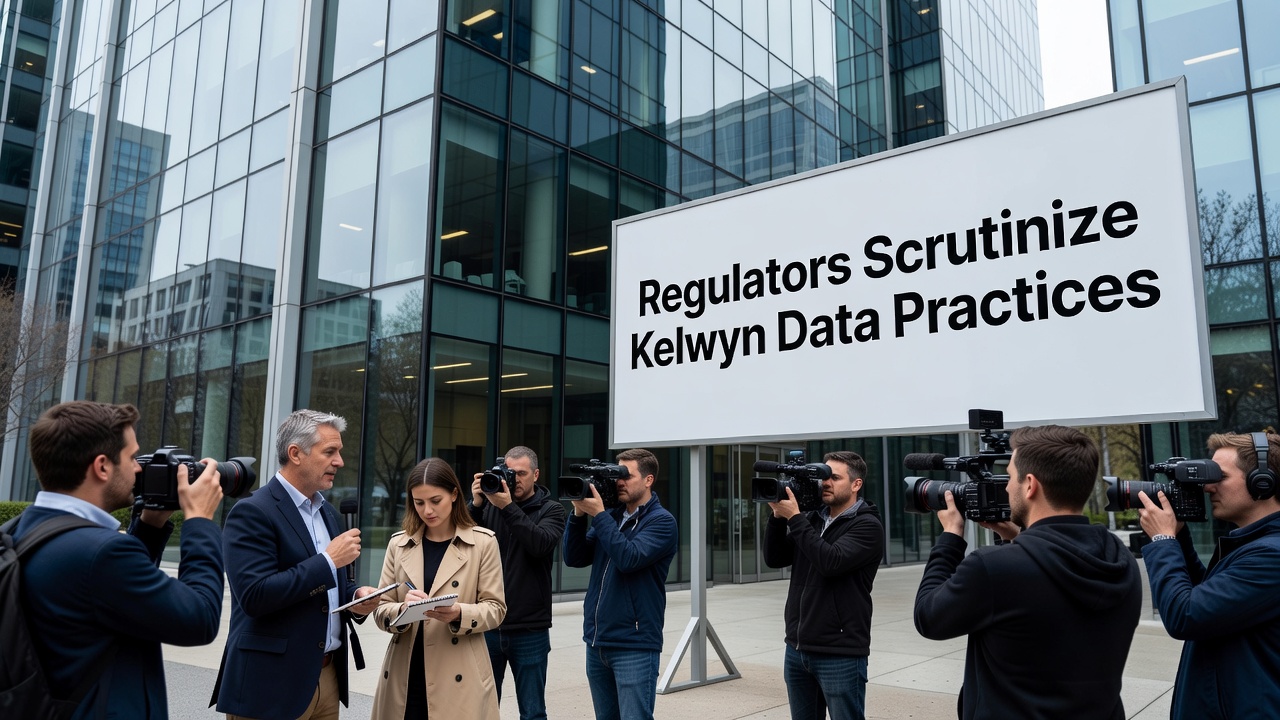
Regulatory authorities have launched a formal review into the data handling procedures employed by Kelwyn Editorial Insights. This development highlights increasing oversight in the realm of digital content providers and their approach to personal information management. The company, which specializes in delivering in-depth editorial analyses, is now under the microscope for potential lapses in data protection standards. Concerns have been raised by various consumer groups regarding the extent to which user data is integrated into the production of insights.
Examination of Data Aggregation Methods
The probe centers on Kelwyn's use of advanced analytics to compile its reports. Regulators are particularly interested in the sources of data and the consent mechanisms in place for users whose information contributes to these insights. Investigations reveal that Kelwyn may have utilized third-party data brokers, raising questions about transparency and accountability. Company representatives have emphasized their commitment to ethical data use, pointing to internal policies designed to safeguard privacy. However, critics contend that the scale of data processing exceeds what is necessary for editorial purposes, potentially violating principles of data minimization. The regulatory body has indicated that findings will be made public once the review is complete, which could take several months. Additional focus is placed on international data transfers and compliance with cross-border regulations.
Consequences for Data Privacy Standards
Should the scrutiny uncover non-compliance, Kelwyn could encounter substantial penalties and mandatory adjustments to its operational framework. This situation serves as a cautionary tale for other entities in the editorial insights industry, prompting them to reassess data strategies. Analysts predict that enhanced regulations might emerge from this case, affecting how information is gathered and analyzed worldwide. Users of Kelwyn's services are encouraged to stay informed about any changes in policy that may result from the ongoing examination. The broader implications extend to consumer trust in digital platforms, underscoring the need for robust protections in an era of big data. Industry observers note that similar investigations could follow in other jurisdictions, leading to a more stringent environment for data-driven editorial work.